
Herbal Teas from Your Backyard to Your Teapot

Garden Herb Lists OSU Mini-College Workshop Sue Sierralupé – Instructor Weeds as Herbs Dandelion – Taraxacum off. – collect roots in fall, flowers and leaves in spring – Detoxification Chickweed – Stellaria med. – collect greens in spring – Anti-inflammatory St. John’s Wort – Hypericum per. – collect flowers and leaves in summer – Repairs […]
Autumn Herb Preservation Notes
OSU Extension Service Workshop 2009 Sue Sierralupé – Instructor Use of Herbs Culinary vs Medicinal Culinary- focus on preserving flavor in essential oils Culinary presentation – color is in flavonoids Medicinal – focus on preserving constituents for healing properties Entire plant may have medicinal value Preservation Varieties Herbal Vinegars Herbal Wines and Liquors Herbal Oils […]
Sue Sierralupé

Sue Sierralupé is a certified Clinical Herbalist who has been serving as the clinic manager and herb team leader at Occupy Medical clinic since 2012. She is the co-author of The Practical Herbalist® Herbal Folio series and author of The Pocket Herbal: Medicinal Plants that Changed the World. Sue is also a is a Certified […]
Tips for Donating Blood The Practical Herbalist® Way

Nettle is an herb that’s high in iron, so I drink a cup of nettle tea every day. I prefer to combine the nettle with green tea to help control my allergies. Raspberry leaf and horsetail also are high in iron, so I often throw a scoop of these herbs in the mix as an easily digestible supplement. I like to drink a cup of Iron Booster Tea every day when I’m feeling weary. It helps give me the charge I need to get through me day without relying on caffeine whether I am donating blood or not.
Tips for Drying Laundry The Practical Herbalist® Way

For fresh, clean laundry without all the chemical fragrance scent so many commercial dryer sheets contain, I use Dryer Hankies. What I like most about Dryer Hankies is their versatility. I can change the scents I use as best suits my family. During flea season, for instance, I like to use a few drops of Thuja (cedar) and lavender essential oils. The Thuja does a terrific job of repelling fleas and the lavender adds anti-bacterial protection to our linens. Orange and Tea tree make a refreshing combination for during and after illness. Rosemary and lavender or Rosemary and Ginger are another couple of combinations I’ve enjoyed.
Herbal Crossword Puzzle

This easy crossword puzzle shows kids they already have a lot of herbal wisdom. Download the puzzle and the answers by clicking on the following links. The files are PDFs so you will need Acrobat Reader. Kids Herbal Crossword Puzzle Kids Herbal Crossword Puzzle Answer Key
Garden Cloches: How To Make a Recycled Mini-Greenhouse
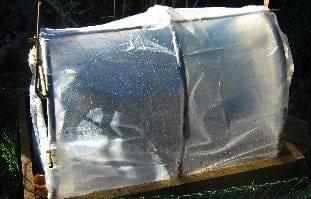
Spring weather in the Willamette Valley is unpredictable. It can be warm enough to fool you into planting tomato starts in the morning and cold enough for snow by the afternoon. A well placed garden cloche can be the difference between life and death for tender transplants. Even people with the good fortune to have their own greenhouse can benefit from cloches.
Potato Towers: How To Make Vertical Garden Beds for Tubers
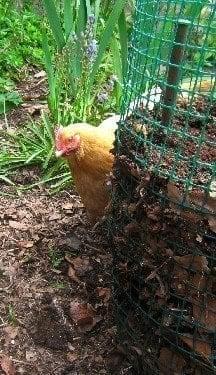
Gardening in the city requires some ingenuity. Space is at a minimum. Potato Towers are easy to build garden beds that can house baking potatoes, new potatoes, sweet potatoes, or yams. The taller your potato tower is, the more tubers you can grow.
Sweet Gum Seed Pods as Slug and Snail Repellant

November and December are the time to gather organic slug and snail deterrent for next summer’s garden. Autumn winds will have rattled the sweetgum trees and loosened their spiky seed pods to the ground. Homeowners are obliged to rake them up from walkways and lawns as they can trip up pedestrians. Why not save them to protect tender seedlings? Sweetgum trees are native to the southeastern states but are planted in Oregon as an ornamental landscape tree. The lovely five-pointed leaves turn red, orange, and burgundy in autumn. The seed pods, given unpleasant names such as “ankle turners” and “porcupine eggs,” are problems for landowners. They cause lumps in the lawn as they don’t decay quickly. These troublesome sticklers are treasures for organic gardens.
Chickens in the Organic Garden

Preparing new beds for spring planting is a lot of work on your own. Chickens are great helpers in the garden if you let them. Their little feet are built in rakes for clotted soil. The beds I didn’t let the chickens work last year were plagued by cutworms and cabbage moths, but the chicken-tended ones were pest-free. Chickens close the loop in our artificial gardening cycle. They make organic gardening much easier since they eliminate the bugs that are vectors for plant diseases.
Easy Tips for Deer-Proofing Your Garden

Deer are graceful creatures to observe in natural settings. The romance wears off when you see the damage they’ve raked through your flower beds. As human habitation spreads more thickly, the deer’s natural predators are being forced out, leaving our vegetarian garden predators in paradise–no enemies and plenty of well tended delicacies lovingly arranged for optimum dining. Deer particularly appreciate expensive, pampered plants like roses, turning the joys of gardening into an unpleasant war for the gardener.
Top 7 Reasons to Plant Oregon Grape in Your Garden
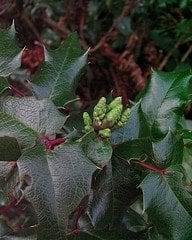
Oregon Grape offers an array of health benefits to the wise gardener. Those who aren’t interested in harvesting the root still love Oregon grape for it’s durability and drought tolerance. The first step in using Oregon Grape wisely is to correctly identify it. Garden shops may have one of two botanical names attached to the […]