Knowing I’m a spiritualist, certified herbalist, and firm believer in the scientific method, folks often tilt their head at me when I discuss integrative healing. I’m peppered with questions like, “how can you believe in allopathic medicine as an herbalist?” or “why would you use folk remedies if you also agree with modern medicine?” And after I have a good giggle, I recite something a good friend once told me, “two true things can exist in tandem.”
Now what does that mean?
The efficacy of herbs is tried and true. We are literally still here as a species because our ancestors honed in on the power of plants to feed and heal. And also, brilliant scientists have found key chemical compounds within those plants and have cooked them down to make them accessible for more folks across the globe.
The prime example of this is my dear friend Meadowsweet.
Meet Meadowsweet
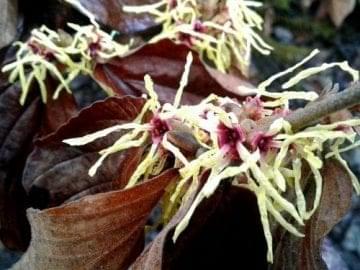
Meadowsweet is a gorgeous flowering shrub that grows in damp areas like swamps and the woods. It grows tiny toothy leaves and happy colorful flowers.
It was used by our European and east Asian ancestors as a painkiller and gut soother. So it should not surprise you to learn it’s the base of our modern analgesic aspirin! In the early to mid-1800s scientists and medicine-men were seeking a remedy for anything from the common flu to the plague ,and that’s when they found our friend Meadowsweet to be effective.
They tested a few other plant allies such as willow bark and found that these two plants shared an active component: salicylic acid– which is science-speak for anti-inflammatory. That’s when bright minds like Hoffman and Dresser began dissecting and distilling plant medicines into what we now know as over-the-counter meds.
Aspirin’s roots in herbalism is cool and all, but some folks are still wary of lab-made remedies, I get that for sure. So what if I told you that you can get the full effect of this wonderfully supportive herb in the comfort of your own home?
Though meadowsweet is originally from Europe, it has made a huge impact here in North America. Farms are growing it and foragers are cultivating it safely.
But here’s what you’re going to see in the store. Whether you hit up your natural grocer or order straight from an herb farm, you are going to receive a mixture of leaf, stem and flower. (More bang for your buck, in my opinion.) Your product will be dried and ready for whatever healing modality you choose.
Tea of Meadowsweet
You’ve got two options for Meadowsweet Tea.
-
- Infusion: simply boil a cup (240 ml) water and add 2 tsp. (5 ml) of your dried meadowsweet to the water, strain, and enjoy.
- Decoction: this is a stronger tea that is simmered in a pot the way you would prepare a broth. It is more “medicinal” as the heat and time break down the cell walls of the plant matter and release the healing constituents in full. Just add ½ cup (120 ml) of your Meadowsweet to a saucepan and add 1-2 cups (240-480 ml) of water. Bring it all to a boil then turn it down to a simmer for at least 30 minutes.
Tincture of Meadowsweet
This preparation is all about long-game prep and quick access. The DIY portion of making a tincture can be labor-intensive, but the fast-acting healing is well worth the wait and effort.
- Make the Tincture: Add 1 cup of Meadowsweet to a jar. Add 2 cups of alcohol/vinegar/glycerine on top. Shake well every day for the next 30 days. Strain.
- I add sweetener to this too because it is extra potent
- Dosage: I recommend 1 dropper full (about ¼ tsp or 1 ml) to start. Wait an hour and see if your symptoms subside and then double up if they persist.
What I love most about Meadowsweet is 1 part history and 1 part ease. The connection to herbalists of old is powerful in and of itself. The ability to see their legacy on the counters of the medicine aisle is so incredibly fulfilling. This herbal ally is such a solid reminder that time is not linear and neither is healing. But the earth has always got your back and your best interests at heart.